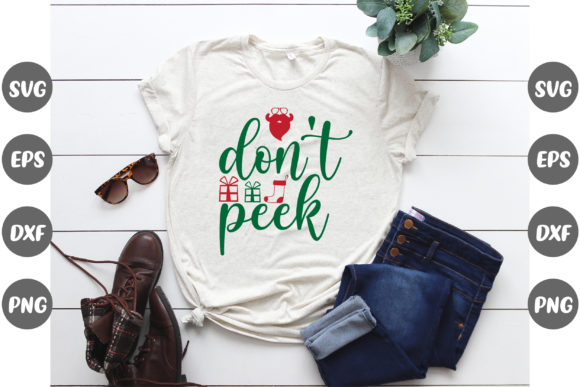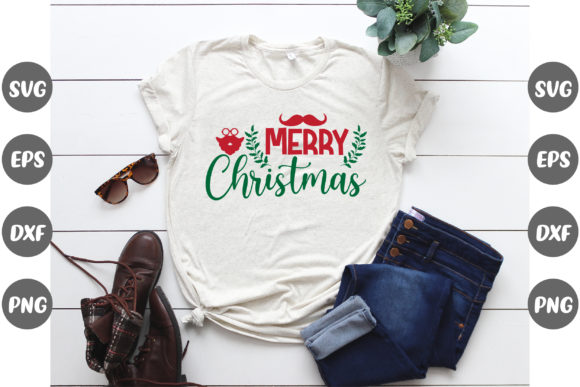
Christmas Design, Merry Christmas: A Designer's Review
Last week I sat down with a stack of blank canvas tote bags and a holiday order list that needed to ship before the first weekend of December. A local boutique wanted sixteen embroidered totes, each with a festive feel that didn't look mass-produced or generic. I had the Christmas Design, Merry Christmas file open on my screen, thread cones lined up beside the machine, and that familiar pre-stitch question in my head: will this actually work once it hits fabric?
After testing the design across three different projects and two fabric types, I have practical thoughts worth sharing. Not just about how it looks on a preview screen, but how it behaves under a needle, how customers react to it, and where it genuinely belongs in a small shop lineup.
The Mood This Design Creates Before a Single Stitch
Opening the Christmas Design, Merry Christmas file for the first time, I noticed it doesn't lean too heavily into one narrow holiday aesthetic. The visual personality sits somewhere between classic and playful, which is a useful sweet spot if you sell to a broad audience. Some holiday designs go full rustic farmhouse with burlap textures and muted tones. Others swing into cartoon territory with exaggerated characters and bright palettes. This one holds a middle ground that feels more adaptable.
What struck me most was how the shape reads from a short distance. On a tote bag hanging from a display hook or a sweatshirt folded on a market table, the design needs to be recognizable within a second or two. The layout here keeps the focal point clean enough that a passing shopper registers the holiday message without squinting. That matters more than many new embroiderers realize. A beautifully stitched design that reads poorly at arm's length loses sales at craft fairs and on Etsy listing thumbnails.
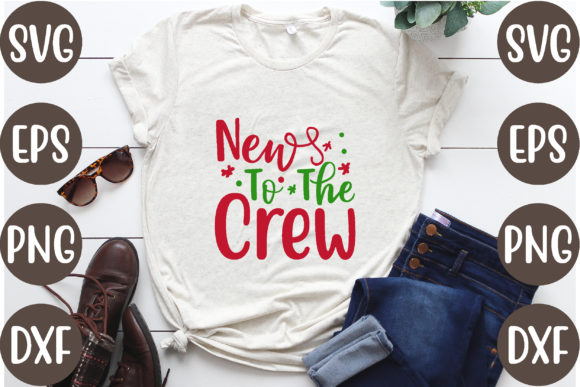
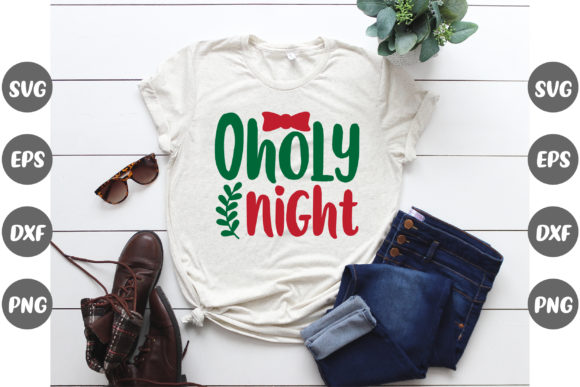
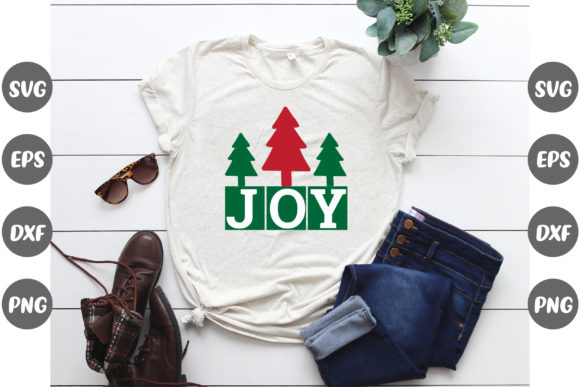
The collection comes with multiple themes bundled together, which means you are not locked into one visual direction. For a small business owner preparing products across different price points and demographics, that flexibility cuts down on the need to source additional design files separately.
On a Tote Bag, Sweatshirt, or Pillow Cover—Where It Belongs
My first test run went onto a medium-weight canvas tote in natural cream. I chose a deep burgundy thread for the main elements and kept the secondary details in a softer ivory tone. The result felt balanced. The design settled into the fabric without overwhelming the tote's proportions, which is something I always watch for with festive motifs that can easily feel too large or too busy for practical bags.
Next, I tested the Christmas Design, Merry Christmas on a heather gray sweatshirt for a client who wanted matching family holiday tops. Knit fabrics introduce more stretch and texture than woven canvas, so I adjusted the stabilizer choice accordingly. The design held up well through the stitching process, though I did slow the machine speed slightly for the finer detail areas. The finished sweatshirt looked sharp, and the client ordered three more.
Based on these tests, I would confidently place this design on:
- Canvas tote bags for holiday gift shoppers and boutique displays
- Sweatshirts and crewnecks for personalized family holiday apparel
- Pillow covers in linen or cotton blends for seasonal home decor
- Kitchen towels with a simple hemstitch border for hostess gifts
- Aprons as part of a holiday baking gift set
I would be more cautious with caps and hats. Curved surfaces challenge any design that has horizontal elements or wider proportions, and this one benefits from a flatter stitching field. Baby clothes also require extra thought given the smaller printable area and the need for softer backing against delicate skin.
Why Multiple Themes Inside One Design Package Helps Small Shops
The fact that the Christmas Design, Merry Christmas collection includes varied themes changes how I think about its value over a full holiday production season. Rather than using the same single motif on every product, I can rotate through different themes while maintaining a cohesive shop aesthetic. A customer who buys a tea towel with one version might return for a throw pillow cover featuring another, and the products still feel connected under the same design family.
For Etsy sellers running holiday listings, this variety also helps populate multiple product variations without purchasing separate design licenses repeatedly. You can create a listing for embroidered tote bags and show several theme options within the same product photography set, which increases the perceived value of the listing and gives buyers more reasons to click through.
The Tricky Parts You Only Notice After Hooping Up
No design is flawless in every application, and honest reviews mean pointing out where extra attention is needed. When I stitched the Christmas Design, Merry Christmas at a smaller hoop size to test scalability, the finer internal details started to lose clarity. Thin gaps between elements that looked crisp at a larger size began to close up when the overall design was reduced. This is not unique to this file set but it is important to flag for anyone planning to run these designs on smaller items like baby bibs, slim cosmetic pouches, or narrow hat fronts.
Textured fabrics present another consideration. I tested one version on a waffle-weave kitchen towel and found that the looser weave caused slight wobble in the finer running stitch lines. With the right stabilizer and a topper, the issue became manageable, but it required an extra step that I would not skip. On tightly woven cotton and smooth canvas, the stitch definition came through cleanly without additional intervention.
Thin Fabrics, Dark Backgrounds, and Other Real-World Hurdles
Dark fabrics deserve a special mention. The Christmas Design, Merry Christmas uses shades and contrast that can look different against a black or charcoal background compared to cream or white. Before committing to a full production run on dark sweatshirts or deep green totes, I strongly recommend stitching a test swatch with the exact thread colors and fabric you plan to sell. Some elements that pop on a light ground may feel muted on darker surfaces unless you adjust thread choices or add a light underlay.
Thin fabrics like lightweight jersey or budget t-shirt blanks need careful handling. The density of the design in certain areas can cause pulling or puckering if the stabilizer is too light. A medium-weight cutaway stabilizer solved this in my sweatshirt test, but I would avoid using tear-away alone on very stretchy or thin substrates.
What a Customer Sees When They Open That Holiday Package
From the buyer's perspective, the appeal of a finished product carrying the Christmas Design, Merry Christmas embroidery comes down to three things: readability, color harmony, and perceived craftsmanship. When the stitching is clean and the design sits neatly on the product, the customer perceives the item as premium, even if the base good is a simple cotton tote or a standard sweatshirt blank.
I pay attention to how a design photographs because product images drive online sales. This design photographed well under natural window light and also held its own in flat-lay shots with holiday props around it. The embroidered surface caught just enough light to show texture without creating harsh glare. For Etsy sellers and Instagram shop owners, that photogenic quality is a real asset that saves time during the listing process.
Selling This Design as Finished Goods—What Actually Matters
If you plan to sell finished embroidered products using the Christmas Design, Merry Christmas files, customer trust builds through consistency. A buyer who receives a beautifully stitched pillow cover will expect the same quality on a tote bag or a tea towel. Testing the design thoroughly on every product type before listing prevents the kind of quality inconsistency that leads to returns and negative reviews.
Giftability is another factor. Holiday purchases are often gifts, which means customers care about presentation even more than usual. A design that looks handcrafted but polished helps the buyer feel confident giving your product as a present. The themes within this collection lean warm and inviting, which suits gift-oriented buying behavior well.
Before You Stitch or Sell, Read These Notes
Over my years of running embroidery projects for clients and craft businesses, I have developed a short mental checklist that saves me from costly mistakes. For the Christmas Design, Merry Christmas, here is what I recommend before you start a production batch:
- Test on scrap fabric first. Same fabric, same stabilizer, same thread brand you plan to use in the final run.
- Check thread color contrast. What looks good on screen may need adjustment depending on your fabric shade and lighting conditions.
- Review stitch density. If elements feel too dense for your chosen substrate, consider adjusting underlay settings during digitizing rather than forcing the file as-is.
- Confirm hoop size. Measure the design dimensions and ensure your most commonly used hoop can accommodate it without crowding the edges.
- Inspect small details in a stitched sample. Look for thread breaks, skipped stitches, or areas where fine lines disappear against the background.
- Test in both color and black-and-white mockups. This helps assess shape readability independent of color choices.
- Compare results on light and dark fabric backgrounds. The same thread palette can look dramatically different between cream and charcoal.
- Use the appropriate stabilizer. For knits, reach for cutaway. For woven fabrics, a quality tear-away may suffice, but test first.
- Confirm licensing terms. The product description mentions unlimited download and delivery in EPS, SVG, and DX formats, but always verify the commercial use permissions before selling finished physical products or incorporating the design into items you offer in your shop.
File Formats and What You Actually Receive
One detail I appreciate about the Christmas Design, Merry Christmas offering is that the file package arrives in multiple formats: EPS, SVG, and DX. These are vector-based design files, which means they scale cleanly without losing quality. As a Graphics product sitting in the T-Shirt Designs category, this file set functions as source artwork that you can use for digitizing embroidery patterns, creating printable mockups, or producing design assets for your craft business marketing.
Note that these are not pre-digitized machine embroidery files ready to load onto a specific machine brand. You will need to digitize the artwork for your embroidery setup, which gives you control over stitch types, density, underlay, and sizing. For experienced embroiderers who already digitize their own work, having clean vector source files like these saves considerable time compared to tracing or redrawing pixel-based images.
The unlimited download aspect means you can access the files whenever you need them without expiration pressure, which suits the rhythm of seasonal holiday production where you might revisit the design across several years of craft fair inventory and Etsy holiday listings.
For small shop owners building a cohesive holiday product line, the Christmas Design, Merry Christmas collection offers a practical starting point. It gives you enough variety to create distinct products while maintaining a consistent brand feel. Stitch it thoughtfully, test it on your actual substrates, and make adjustments based on real stitched results rather than screen previews alone. That approach turns a good design file into finished products your customers genuinely want to gift and keep.