Christmas Graphics & T-Shirt Designs That Work
I have spent years building content websites, designing editorial layouts, and testing what makes readers stop scrolling. When a designer sends me a new graphic design asset to evaluate, my first question is never about the file format or the price tag. It is always about one thing: does this make content look intentional, polished, and trustworthy within the first half-second of viewing. Christmas, Christmas the Season. passed that test the moment I opened the preview folder.
The collection arrived as a curated bundle of thematic artwork clearly built with editorial versatility in mind. The description notes that the designs come filled with many different themes, and that is exactly what a publisher needs when building out a seasonal content calendar. You are not buying one look. You are getting a range of visual directions that can support everything from a cozy lifestyle blog post to a bold merchandise launch. The download included EPS, SVG, and DXF formats, which immediately tells me this was created for both digital publishing and physical product work.
First Impressions and the Editorial Mood It Creates
The mood of Christmas, Christmas the Season. lands somewhere between playful nostalgia and clean modern celebration. It avoids the overly cartoonish territory that makes some holiday graphics feel cheap, and it steers clear of that hyper-minimalist look that can feel cold and impersonal during a season built on warmth. The art direction feels decorative yet approachable, with enough versatility to work across feminine lifestyle content, family-focused blogs, craft tutorials, and even small business promotional graphics.
When I dropped one of the designs into a draft blog post as a hero image, the visual hierarchy immediately improved. The header text sat naturally against the graphic, the white space breathed, and the overall impression was one of a website that cares about its presentation. For publishers who monetize through affiliate marketing, digital products, or display ads, that perceived quality directly influences click-through rates and time on page.
Where This Design Asset Shines in a Real Publishing Workflow
Over the years I have learned that purchasing creative assets without a clear usage plan leads to wasted downloads and cluttered folders. With this collection, the applications are immediate and practical. Here is where I see Christmas, Christmas the Season. delivering the strongest editorial value:
- Blog featured images and article headers that need to feel seasonal without overwhelming the headline text
- Pinterest pins where holiday-themed graphics consistently outperform generic stock photos during the fourth quarter
- Newsletter headers and email graphics that signal festive content without looking like every other brand's template
- Category thumbnails and website banners that help readers navigate seasonal content sections
- Downloadable resource covers for lead magnets, digital guides, and printable worksheets
- Social media previews for Instagram, Facebook, and blog post sharing
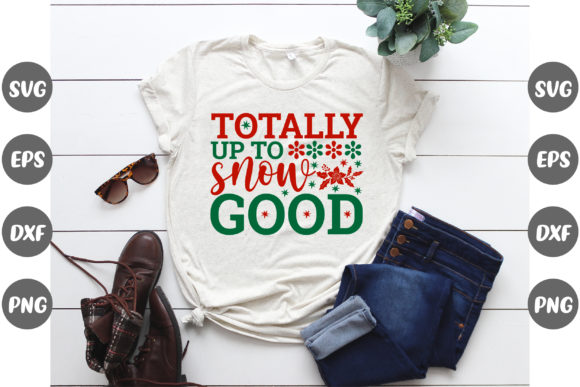
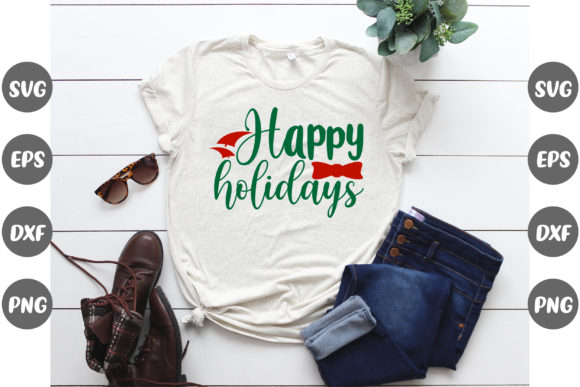
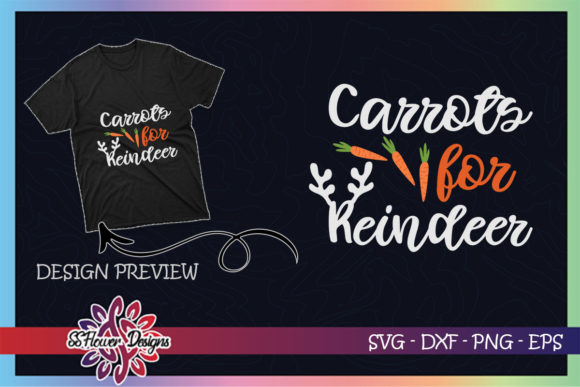
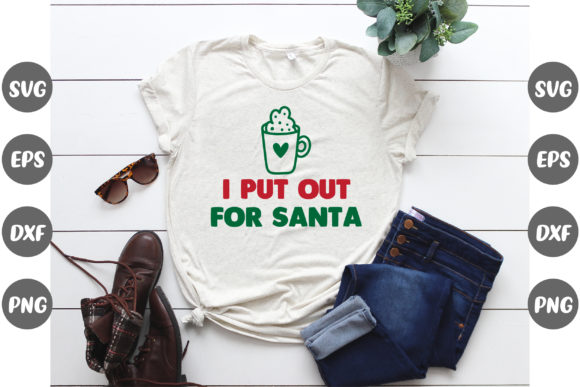
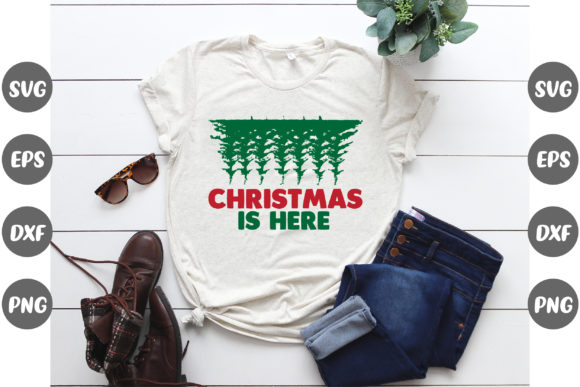
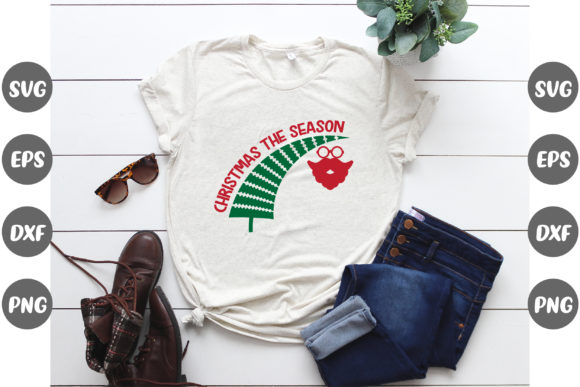
- Merchandise mockups when the SVG and DXF files are used for T-shirt designs and physical products
What makes this collection particularly useful is that the designs support content that needs to look clickable. A well-chosen graphic on a Pinterest pin can mean the difference between twelve clicks and twelve hundred. When I test pins with seasonal vector art against pins with standard photography, the illustrated designs often win on engagement simply because they stand out in a feed saturated with the same red-and-green photo palette.
How the Visual Style Supports Reader Trust and Brand Identity
Reader trust is fragile. A blog that mixes inconsistent visual styles looks amateurish, and amateurish websites rarely convert casual visitors into subscribers or customers. One of the quiet benefits of working with a cohesive design asset like Christmas, Christmas the Season. is that it helps maintain brand identity across multiple content pieces. When every holiday article carries a consistent visual signature, readers begin to recognize and trust the brand behind the content.
I tested the designs alongside serif fonts, sans serif fonts, script fonts, and handwritten display fonts. The graphics proved remarkably adaptable. The line weights and detailing held up against delicate serif typography without overpowering it, and they provided enough structure to anchor bolder sans serif headlines. This flexibility matters for publishers who may need to shift visual tone from one article category to another while keeping the holiday theme intact.
Practical Publisher Notes From Testing
Before any graphic design asset earns a permanent place in my publishing toolkit, I run it through a practical stress test. Here are my honest observations after working with Christmas, Christmas the Season. for several content scenarios:
Desktop and mobile rendering: The designs scale cleanly. On a desktop monitor at full width, the detail and composition feel intentional. Reduced to mobile thumbnail size, the core visual idea remains readable. This is non-negotiable for blog graphics, since more than half of website traffic now comes from mobile devices.
Thumbnail legibility: Test this before publishing. Some intricate holiday designs collapse into visual noise at small sizes, but these held their structure reasonably well. I recommend previewing every graphic at 150 pixels wide before committing it to a featured image slot or category page grid.
Contrast and readability: When placing headline text over these graphics, check contrast carefully. Lighter areas of the design work beautifully as text anchors, while darker or busier sections may need a subtle overlay or adjusted text placement to maintain readability.
Monochrome testing: I always preview print-ready graphics in grayscale to understand how they reproduce. These designs maintain enough contrast to work in black and white, which matters if you plan to use them in printable downloads, worksheets, or physical products where color printing costs may influence user decisions.
File size and web performance: Vector formats like SVG give publishers enormous flexibility to resize without quality loss. For web use, export optimized raster versions and compress them properly. Page speed affects both search rankings and user experience, and oversized graphic files are a common culprit in slow-loading content pages.
Where to Use Christmas, Christmas the Season. With Confidence
Based on my testing, this collection excels in specific publishing contexts. For hero images and article thumbnails, the designs create immediate seasonal atmosphere without requiring custom illustration work. For Pinterest graphics, the artwork provides a professional foundation that can be layered with text overlays to create scroll-stopping pins. For editorial accents within long-form articles, selected elements from the collection can break up text and add visual rhythm to the reading experience.
Content upgrades and lead magnets benefit enormously from this type of design asset. A holiday-themed digital guide, recipe collection, or planning worksheet feels far more valuable to a reader when the cover art looks professionally designed. The perceived value of downloadable resources directly impacts conversion rates on email opt-in forms.
For small business owners and creative entrepreneurs running content-driven websites, the EPS and SVG formats open up commercial design possibilities. The ability to use these graphics across blog headers, newsletter templates, and T-shirt designs from a single download makes the purchase practical rather than speculative.
Where Caution Makes Sense
No design asset works everywhere, and honest assessment means acknowledging limitations. I would use Christmas, Christmas the Season. with restraint in newsletter designs that appear primarily on mobile email clients with dark mode enabled, since intricate holiday artwork can sometimes lose definition against inverted backgrounds. Test before sending to your full list.
For text-heavy blog images where the graphic must compete with dense typography, consider using simplified versions or applying the artwork as a subtle background element rather than a foreground feature. Busy layouts rarely benefit from busy graphics layered on top.
In corporate content or serious professional niches such as legal commentary, financial analysis, or medical publishing, seasonal graphics generally feel out of place regardless of quality. Know your audience and your editorial voice before adding festive visual elements to content where they may undermine credibility.
The Commercial Licensing Factor Publishers Cannot Ignore
Every experienced publisher learns this lesson eventually: a beautiful graphic design asset is only useful if the license permits the intended application. Before using Christmas, Christmas the Season. on monetized websites, affiliate pages, paid content products, or client projects, confirm the commercial license terms. The unlimited download mention in the product details is promising, but always verify that commercial use, modification rights, and product resale parameters align with your specific business model.
For affiliate marketers creating seasonal content that drives commission-based revenue, commercial licensing clarity protects against future complications. For bloggers selling digital products or printables, the right to incorporate these designs into derivative works for resale is essential. Do not assume. Verify before publishing.
Why This Collection Makes Sense for the Modern Content Publisher
The content publishing landscape rewards visual consistency and punishes visual carelessness. Readers make snap judgments about credibility, taste, and trustworthiness based largely on how a website looks in the first moments of arrival. Christmas, Christmas the Season. provides a versatile foundation for building seasonal content that looks intentional, professional, and appealing across multiple platforms and formats.
The multi-format delivery covering EPS, SVG, and DXF means this asset transitions smoothly from website headers to physical merchandise without requiring additional purchases or format conversions. For publishers who also sell branded merchandise, create event materials, or offer printable products, that format flexibility eliminates friction in the workflow.
From a pure editorial design perspective, the collection supports stronger visual hierarchy, clearer category recognition, and better click-through potential during the high-traffic holiday season. When every competing website is publishing Christmas content, the visual quality of your graphics becomes a competitive differentiator. Generic stock imagery no longer cuts through the noise. Purpose-built, thematically cohesive design assets do.
Final Workflow Recommendations
If you are adding Christmas, Christmas the Season. to your publishing toolkit, here is a practical workflow to maximize value:
- Unzip and preview all formats immediately, noting which designs suit your specific content categories
- Create a dedicated folder in your design library labeled by season and year for easy retrieval
- Export web-optimized versions at the dimensions your CMS requires for featured images and thumbnails
- Test two or three designs in actual blog posts and measure reader engagement before scaling use
- Build a Pinterest board template using one consistent design from the collection for brand recognition
- Pair the artwork with your existing brand fonts and color palette to maintain identity continuity
- Archive a backup of the original vector files for future physical product creation or print projects
After working through these steps myself, I can say that Christmas, Christmas the Season. earns its place in a professional publisher's resource library. It delivers on the promise of varied themes, provides the formats modern content creators actually need, and supports both digital and physical product applications. For bloggers, publishers, and creative entrepreneurs building seasonal content that must compete for attention in a crowded digital space, this collection offers genuine editorial and commercial value.