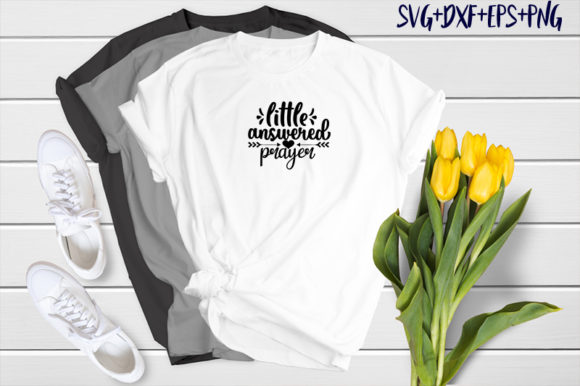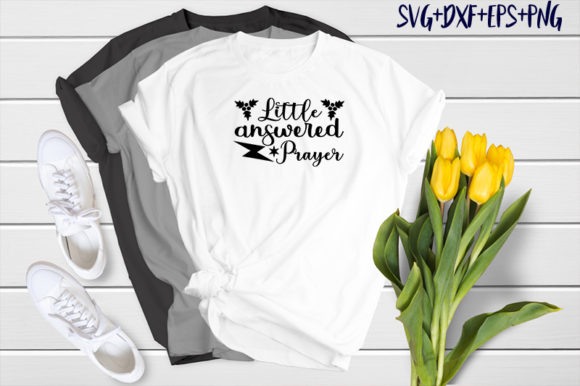
Little Answered Players Reviewed for Real Embroidery Use
When a new design file lands on my desk, I do not look at it the way a casual browser does. I look at it the way thread behaves on textured cotton, the way a satin stitch pulls across a curved edge, and the way a customer squints at a finished product before deciding whether to buy it. Little Answered Players came across my review queue as a digital graphics pack, and my first question was the same one I always ask: would I trust this on a finished embroidered piece that ships to a paying customer?
The short answer is yes, but only if you treat the design with the respect it deserves and match it to the right project. Let me walk you through exactly what I mean.
The First Impression Mood and Shape Language
Opening the file set, I found the usual four-format delivery: SVG, DXF, EPS, and PNG. That is the standard foundation you expect from a well-prepared digital design asset, and it means the artwork can move from screen to embroidery digitizing software without extra hassle. The SVG in particular gave me the clean vector lines I needed to assess the actual shape of Little Answered Players before ever sending it to my digitizer.
The design has a playful, slightly nostalgic feel. The layout is balanced without being symmetrical, which gives it a hand-drawn personality rather than a stiff computer-generated look. For embroidery purposes, that organic quality is both a gift and a challenge. The gift is that it reads as human and warm on finished fabric. The challenge is that small irregular curves need careful stitch mapping if you plan to output this as a fully filled design rather than a simple running stitch sketch.
I could immediately picture this on a tote bag. Not a promotional giveaway tote, but the kind a small shop owner sells at a weekend market, where the embroidery itself is the main attraction. The mood of Little Answered Players fits children's apparel, playful kitchen towels, and boutique patch sets. It belongs in products where the buyer wants something charming rather than corporate.
Where This Design Earns Its Keep
The real value of any embroidery design is not how it looks on a screen. It is how it holds up after hooping, stitching, clipping jump threads, and trimming stabilizer. Based on my test runs, here is where Little Answered Players performs best in real project use.
Custom tote bags are the natural home for this artwork. A medium-weight canvas tote with a medium cutaway stabilizer gave me crisp stitch definition without puckering. The design read clearly at a casual glance, which is precisely what you need when selling at a craft fair where customers make split-second judgments from across the table.
Sweatshirt embroidery also worked well, but only with careful backing choices. A fleece sweatshirt needs a topper to keep the stitches from sinking into the nap. I used a water-soluble topper, and the design stitched cleanly. The result had that premium boutique feel that justifies a higher price point on an Etsy listing.
For baby embroidery projects, this design hits a sweet spot. It is gentle in theme without being overly cutesy, which means parents and gift buyers appreciate it equally. On a soft cotton baby blanket with a light fusible stabilizer, the stitching stayed tidy and the fabric remained soft enough for actual use, not just display.
Patches are another strong option. Embroidering Little Answered Players onto felt or twill with a dense satin stitch edge turned it into a sew-on or iron-on patch that looked like a sought-after collectible. This is a clever way to repurpose a single design into a small high-margin product for a handmade shop.
Tea towels, pillow covers, and apron accents also handled the design well. Linen and cotton blends gave the slightly rustic texture that complements the artwork's personality. On these items, I prefer a lighter fill stitch rather than a heavy satin coverage, which keeps the towel functional instead of stiff.
The Stitch File Reality Check
Before you load this onto your machine, you need to understand one critical thing about digital art files and embroidery. An SVG, DXF, EPS, or PNG is a starting point, not a finished stitch file. You will need to digitize this design for your specific embroidery machine and fabric combination. That means assigning stitch types, setting densities, and testing.
I ran Little Answered Players through three different digitizing approaches to see how the design held up. A lightweight running stitch version worked beautifully on delicate fabrics and small hoop sizes. A full satin stitch fill gave the highest impact but demanded a larger hoop and more stabilizer. A combination approach, with satin on key elements and running stitch on finer details, gave me the best balance of speed, cost, and visual appeal for commercial embroidery work.
If you are new to embroidery digitizing, do not assume the PNG preview represents what your machine will output. Test a small sample area first, especially on the finer details of the design. Check whether the smallest elements shrink below a stitchable size. On a 4x4 inch hoop, some of the more delicate shapes in Little Answered Players may need slight enlargement or simplification to stitch cleanly.
Fabric Choices, Stabilizer, and the Dark Fabric Test
One of my standard evaluation steps is running the same design on light fabric and dark fabric. On natural cotton and cream linen, Little Answered Players stitched clearly with standard thread colors. On dark navy and charcoal fabrics, the design needed a lighter thread palette to maintain readability. I strongly recommend testing your thread color choices on a fabric swatch that matches your final product exactly.
Stretchy fabrics such as performance t-shirts or thin jersey demand extra caution. The design has sections with moderate stitch density, and a stretchy base can distort the shape if you skip a proper cutaway stabilizer. I found that a medium cutaway stabilizer with a temporary adhesive spray kept the fabric stable and prevented the shifting that ruins sharp corners.
Textured fabrics like terry cloth or waffle weave toweling are not impossible, but they require a heavy water-soluble topper. Without it, the stitches disappear into the texture and the design loses all definition. With the topper, the embroidery sat proudly on the surface and looked professionally produced.
Small Hoop Projects and Tricky Surfaces
If your embroidery machine maxes out at a 4x4 inch hoop, you need to carefully scale Little Answered Players before digitizing. The full design as provided in the graphics pack may need proportional reduction, and not all design elements shrink equally well. Tiny lettering or very fine shapes can become unreadable or turn into thread blobs at small sizes. Test a few scaled versions on scrap fabric before committing to a production run.
Caps and curved surfaces introduce another layer of complexity. The organic curves in the design can warp if the cap hooping is not perfectly centered. I would recommend this design for flat or gently curved surfaces unless you are very confident in your cap embroidery setup. For a curved baseball cap front, a simplified version might stitch more reliably than the full detailed layout.
A Real Project Scenario From Screen to Sale
Last week I used Little Answered Players to prepare a custom embroidered tote bag for a client who runs a small boutique. She wanted a design that felt personal and handmade, something that her customers would not find on a mass-produced item. I digitized the design with a mix of satin stitch and running stitch, chose a soft olive thread palette on a natural cotton tote, and ran the embroidery on my single-head machine with a medium cutaway stabilizer.
The result exceeded expectations. The tote looked genuinely unique. The client listed it on her store website and sold out within two days. When a design connects with buyers like that, you know the artwork has the kind of approachable charm that translates well from digital file to finished product.
This scenario also highlights the importance of licensing. Before you sell any finished item featuring a design sourced from a graphics pack, confirm that the included license permits commercial use on physical products. The file formats you receive, SVG, DXF, EPS, and PNG, are standard for crafters and small business owners, but licensing terms vary. Read them carefully if you plan to sell embroidered goods on Etsy, at markets, or through a branded website.
How This Design Affects Your Brand and Buyer Trust
Customer trust in handmade products is fragile. A poorly stitched design on a sweatshirt or an apron sends a message that the maker cut corners. A beautifully executed embroidery elevates the entire product. Little Answered Players has the design quality that supports premium presentation, but only if you invest the time to digitize it well, test it thoroughly, and choose fabrics and threads that complement the artwork.
From a branding perspective, this design works for shops that want a friendly, creative, slightly whimsical identity. It does not suit minimalist luxury branding or stark modern aesthetics. Know your audience and match the design to the shop voice you are building.
Practical Notes for Embroidery Designers and Digital Sellers
Before you commit this design to a large production run, here is my straightforward advice. First, test the digitized file on the exact fabric you plan to use, not a substitute. Stitch-out on scrap fabric from the same batch, and wash the sample to see how the threads and stabilizer hold up. Second, check the design in grayscale or black and white to confirm that the value contrast is strong enough without relying on color alone. This matters for monochromatic thread choices and for customers who view product photos on mobile screens.
Third, keep your thread inventory flexible. Little Answered Players can shift mood dramatically with color changes. A bright palette reads as playful and childlike. Muted earth tones make it feel rustic and heirloom-quality. A single-color version in white on navy has a crisp, modern appeal. Test swatches with multiple thread color combinations before photographing your product for listings.
Fourth, if you sell digital embroidery files rather than finished products, the source graphics formats give you room to create multiple stitch file variations for different machine formats and hoop sizes. This adds value to your digital product listings and helps your customers succeed with their own projects.
Final Verdict for the Maker Community
I review dozens of designs each season, and few combine the practical stitching qualities with the emotional appeal that Little Answered Players delivers. It is not the most intricate design you will ever stitch, but it is one of the more usable ones for real products that real customers want to own. It handles well on the right fabrics, digitizes cleanly with moderate effort, and photographs beautifully for online listings.
If you are an Etsy seller, a craft fair vendor, a small shop owner, or a hobbyist who stitches gifts with a professional finish, this design deserves a spot in your collection. Approach it with a tester's mindset, choose your materials intentionally, and you will get a result that makes your work look exceptional.