Little Miss Snow Cute – Honest Design Review
Some embroidery designs land in your inbox and immediately spark a dozen product ideas. Little Miss Snow Cute did exactly that. I opened the file pack on a quiet Tuesday afternoon, already mentally scrolling through my upcoming holiday project queue, and within minutes I was sketching placement ideas on a notepad.
This design carries a playful winter personality without tipping into overly juvenile territory. That balance matters more than most buyers realize. Too cutesy and you lose the boutique apparel crowd. Too restrained and it misses the emotional warmth that drives holiday sales. Little Miss Snow Cute sits right in that profitable sweet spot.
Before I commit any design to thread and fabric, I always run through the same mental checklist. Will it stitch cleanly? Does the visual read well at different sizes? What products does it genuinely belong on? And most importantly, would a customer feel delighted pulling this out of gift wrap? Let me walk through exactly how this one holds up under real scrutiny.
First impression and the mood it creates
Opening the file set, the first thing I noticed was how well the composition holds together. The character reads clearly even at a thumbnail size, which tells me the designer understood something crucial about embroidery digitizing: recognizable silhouettes matter just as much as internal detail.
The facial features have a gentle charm. There is a softness to the expression that translates beautifully into thread, especially when stitched in muted winter palettes. I could immediately see this working on cream sweatshirts, pale blue baby blankets, soft pink totes, and natural linen kitchen towels. The mood lands somewhere between cozy storybook illustration and modern handmade boutique — exactly the kind of aesthetic that performs well at holiday craft fairs and in Etsy seasonal listings.
I pulled up a quick mental comparison against other holiday character designs I have tested. Many rely heavily on bold outlines and saturated reds. Little Miss Snow Cute feels quieter, more versatile. That means it pairs well with a broader range of fabric colors and product types. A design this adaptable holds its value across multiple project categories.
A real scenario that put this design to the test
Two weeks ago, I was preparing a small batch of personalized holiday gifts for a returning client who runs a children's boutique. She wanted something for a limited winter collection: embroidered zip pouches, toddler hoodies, and a few gift-ready kitchen towel sets. The deadline was tight and I needed designs I could trust without excessive test stitching.
I pulled Little Miss Snow Cute into my embroidery software and started mapping placements. On the toddler hoodie mockup, the design sat beautifully across the chest area. The proportions felt right — not too wide, not too tall. On the zip pouch, I scaled it down slightly and the facial details held up. On the kitchen towel, I paired it with a simple snowflake accent and the result looked like a coordinated boutique collection rather than a one-off decoration.
The client saw the digital mockups within two hours and approved all three product concepts. That kind of quick turnaround matters when you are juggling multiple holiday orders. A design that reads well in previews, stitches predictably, and fits varied product types reduces the mental load dramatically.
Where this design truly shines in production
Over the years, I have learned that not every cute graphic translates well to embroidery. Flat artwork can deceive you. Areas that look charming on screen might turn into dense, puckered patches of thread if the digitizing is not thoughtful. With Little Miss Snow Cute, the structural breakdown looks sensible.
The main filled areas appear to be distributed in a way that avoids excessive stitch density in any single zone. That matters for two reasons. First, it reduces the risk of fabric puckering on lightweight materials like baby onesies or thin cotton tees. Second, it keeps the finished product soft to the touch — something parents and gift buyers genuinely notice and appreciate.
I see this design performing exceptionally well on midweight fabrics. Think French terry sweatshirts, canvas tote bags, linen blend aprons, cotton pillow covers, and structured kitchen textiles. The character's rounded shapes and gentle curves lend themselves nicely to satin stitch borders and light fill stitching, which create that polished dimensional look buyers associate with quality handmade goods.
For custom apparel projects, this design fills a specific seasonal gap. It is festive without screaming Christmas. That means you can sell products featuring Little Miss Snow Cute from November through late February without the design feeling out of place. Winter-themed products have a longer selling window than strictly Christmas designs, and this character bridges that timeline beautifully.
Products that match the design personality
I always match a design to its natural product habitat before cutting any fabric. Little Miss Snow Cute leans toward soft, cozy, gift-oriented products. Here is where I would place it first:
- Tote bags — Especially natural cotton or canvas totes with a minimalist aesthetic. The design adds warmth without clutter.
- Sweatshirts and hoodies — Across chest placements or smaller left-chest versions work equally well.
- Baby clothing — Onesies, bibs, and tiny leggings. The character's gentle expression suits infant and toddler products perfectly.
- Kitchen towels and aprons — A surprisingly strong category for winter character designs. Pair with a subtle snowflake repeat for a cohesive set.
- Pillow covers — Throw pillow covers in soft knit or linen textures become instant seasonal decor with this design centered or corner-placed.
- Embroidered patches — With proper edge finishing, this could work as a standalone patch for jackets, backpacks, or hat applications.
For Etsy sellers and small shop owners, this design offers excellent listing variety. You can photograph the same embroidered design on multiple products and create an entire winter collection from one file. Bundling options — a mommy-and-me sweatshirt set, a kitchen towel duo, a tote-and-pouch pairing — all become feasible with a design this flexible.
Watchpoints and cautious placements
No design works everywhere, and honesty about limitations separates a helpful review from a meaningless compliment. Here is where I would exercise caution with Little Miss Snow Cute:
Small hoop sizes pose the most obvious constraint. If you try squeezing this into a 4x4 inch hoop, the internal details risk becoming muddied. I recommend staying at or above a 5x7 inch hoop for full-detail versions. For smaller spaces — like a hat front or a toddler beanie — consider using only a portion of the design or testing a simplified version first.
Dark fabric backgrounds require thoughtful thread color adjustments. The character likely relies on soft contrast for facial readability. On black or deep navy fabrics, you may need to lighten certain thread tones to maintain distinction between features. I always run a black-and-white mockup test to check contrast before stitching on dark substrates.
Highly textured fabrics like thick fleece or heavy knit sweaters can distort fine facial details. If you are working with plush materials, use a topper to smooth the stitching surface and choose a slightly larger size to preserve clarity. The same applies to stretchy fabrics: proper cutaway stabilizer is non-negotiable, especially around curved garment areas where distortion risks are higher.
Hat placements on structured caps can be tricky. The curved surface and center seam may interrupt the design flow. If a customer requests a cap version, consider a smaller left-side placement rather than forcing a full front panel stitch. Test one sample before committing to a batch.
How the design affects customer perception and buyer trust
When someone purchases a handmade embroidered product, they are buying more than thread on fabric. They are buying the feeling the design evokes. Little Miss Snow Cute communicates warmth, care, and seasonal nostalgia — all of which translate directly into perceived product value.
I have noticed over years of selling that character-based embroidery designs with gentle expressions tend to attract gift buyers. Grandparents shopping for grandchildren, friends looking for a thoughtful holiday present, parents wanting matching sibling outfits. This design speaks directly to that purchasing psychology. It feels personal even when it is not customized.
The name itself also carries subtle marketing power. Little Miss Snow Cute is memorable and self-descriptive. That makes product listing titles more engaging, social media captions easier to write, and word-of-mouth sharing more natural. A clever design name is not just branding fluff — it genuinely helps products get noticed in crowded seasonal markets.
Stitching behavior and practical embroidery notes
Any experienced embroiderer knows that the real test comes during and after the stitch-out. Based on the visual structure of this design, here are my practical recommendations:
Run your first test on a medium-weight cotton or cotton-blend fabric with a mid-tone thread palette. This gives you an honest baseline before adjusting for lighter or darker backgrounds. Pay special attention to the facial features during the test stitch. These small areas reveal density issues quickly — if they look padded or distorted, adjust your machine tension or consult the file specifications before proceeding to final products.
Thread color selection deserves extra thought here. The winter theme invites cool blues, soft whites, and gentle blush tones. I recommend testing at least two color variations before committing to a production run. A slightly warmer white might read better on cream fabric, while a cooler white suits true white or pale blue backgrounds. Small shifts like these affect the overall harmony of the finished product.
Stabilizer choice should match your fabric weight. For lightweight garments like baby onesies or thin tees, a no-show mesh stabilizer prevents stiffness while maintaining stitch integrity. For tote bags and structured items, a medium cutaway provides lasting support through multiple washes. This is especially relevant for products expected to withstand frequent laundering — kitchen towels, baby items, and everyday apparel all face repeated wash cycles.
I also recommend testing the embroidery file in a single-color mockup before final stitch-out. Viewing the design in grayscale reveals how heavily it depends on color contrast versus structural stitching. You want the shapes to remain readable even when thread color choices vary. This matters for sellers offering custom color options in their listings.
Commercial use and licensing clarity
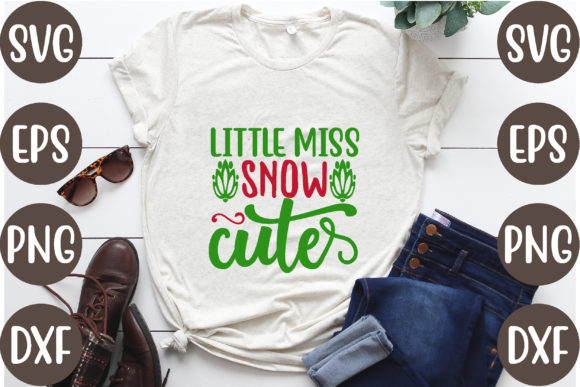
This design arrives in multiple formats — SVG, DXF, EPS, and PNG — which signals that the creator intended it for versatile use across both digital and physical products. For embroidery specifically, you will need a properly digitized embroidery file format such as PES, DST, JEF, or EXP depending on your machine brand. The provided formats are excellent for mockups, sublimation, printable products, and hybrid craft projects, but confirm your embroidery file source separately if the pack does not include machine-ready stitch files.
Before selling any physical items featuring Little Miss Snow Cute, verify the commercial licensing terms. Most digital embroidery file packs include allowances for finished product sales, but the scope varies. Can you sell on Etsy, at craft fairs, through your own website, on wholesale platforms? Read the license. If selling to other businesses who will resell, check whether extended commercial terms apply. A quick license check now prevents uncomfortable situations later when a product line takes off.
For those using the design in printable mockups or design assets within branding work, the included vector and bitmap formats give you strong flexibility. Just ensure your usage stays within the permitted categories.
Why this one earned a spot in my holiday project folder
At the end of every review, I ask myself a straightforward question: would I stitch this onto a product I would happily hand to a paying customer? With Little Miss Snow Cute, the answer came quickly. The design has a quiet confidence. It does not rely on glitter effects or overcomplicated details to make an impression. The character connects emotionally, stitches predictably, and fits a wide enough range of products to earn its place in a working designer's file library.
For craft business owners building a winter collection, this design offers genuine versatility. For beginners, it provides a forgiving learning project with recognizable results. For experienced embroiderers, it serves as a reliable seasonal staple that can be adapted across multiple product categories without needing constant redesign. That kind of practical value is exactly what I look for when I recommend a design to fellow makers.