Breast Cancer Svg Design, Crush Cancer – A Designer's Review
When a new design lands on my desk, I do not just glance at the preview and call it done. I think through how it will actually behave on fabric, under thread, and in front of a customer. The Breast Cancer Svg Design, Crush Cancer caught my attention immediately because it carries a message that matters, and that means the stitching has to be just as strong as the sentiment behind it. I have worked with enough machine embroidery design files to know that what looks clean on screen can turn into a tangled mess on textured fabric if the artwork is not built with real stitching in mind. So I spent time studying every curve, every letterform, and every potential stress point in this design before deciding where it belongs in my project queue.
This is not a review full of empty praise. This is an honest, practical look at how Breast Cancer Svg Design, Crush Cancer performs when you are preparing a handmade product that someone will wear, carry, or gift to a loved one. I am writing for the Etsy seller who needs a design that stitches consistently across twelve orders in a weekend. I am writing for the craft business owner who cannot afford customer returns because the lettering puckered after one wash. And I am writing for the maker who simply wants to create something beautiful that honors a cause close to their heart.
First Impression — Bold, Clean, and Built for Stitch Clarity
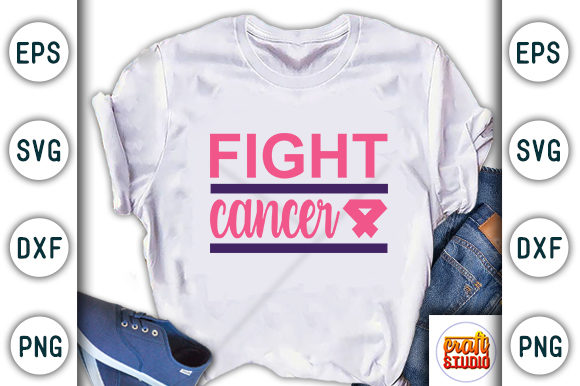
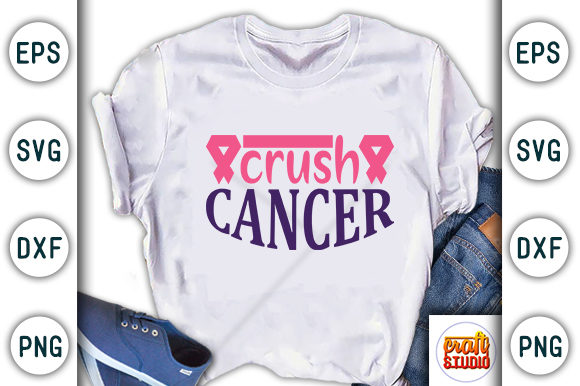
Opening the file for the first time, I noticed the layout has a confident, grounded feel. The word "Crush Cancer" sits with purpose. The lettering arrangement does not feel cluttered or overly decorative, which matters enormously when you are converting artwork into an embroidery file. Overly intricate designs with tiny flourishes tend to lose definition once the needle starts moving at speed. This design reads clearly even when I mentally reduce it to a four-inch hoop size, which tells me the creator understood that embroidery is not the same as printing.
The mood is uplifting without being sugary. There is strength in the composition, and that emotional quality translates directly into customer trust. When a buyer picks up a finished piece featuring this design, they should feel the weight of the message, not just see a pretty graphic. That is the kind of visual appeal that moves products off shelves at craft fairs and out of Etsy listings during awareness months.
Where This Design Naturally Belongs in Real Embroidery Projects
After studying the shape and scale, I can see several embroidery project types where Breast Cancer Svg Design, Crush Cancer would feel right at home. The design lends itself beautifully to custom apparel, particularly sweatshirt embroidery on the left chest or centered across the front. The proportions suggest a medium placement that would fill a standard adult tee or crewneck without overwhelming the garment. I also picture this on a sturdy canvas tote bag design, where the flat weave gives the satin stitch and fill stitch areas a smooth, polished finish.
For personalized gift projects, this design would work well on a soft cotton pillow cover or a kitchen towel paired with a matching ribbon. I have made countless holiday embroidery gifts over the years, and designs with meaningful text tend to become keepsakes rather than clutter. A design like this on an embroidered patch, neatly finished with a merrowed edge, could also sell as a standalone item at boutiques or fundraising events. The versatility across product types is one of the stronger selling points here, and it gives small shop owners room to build an entire product line around one cohesive design asset.
A Real Scenario — Testing It on a Custom Tote Bag
Let me walk you through how I approached this design for a real client order. A local boutique wanted twelve custom tote bags for a breast cancer awareness fundraiser. They requested something crisp, readable at arm's length, and professional enough that customers would reuse the bags long after the event. I loaded the Breast Cancer Svg Design, Crush Cancer into my software and began checking the pathing and layer order.
The first thing I appreciated was how cleanly the lettering separated from the background elements. When you are working with embroidery file conversions, especially from SVG Files or EPS Files, you sometimes find overlapping nodes that confuse the stitch engine. This artwork transferred without those headaches. I tested a stitch-out on medium-weight cotton canvas using a sharp fill stitch for the main text shapes and a narrow satin stitch border around the key details. The result was tight and legible, with no gaps between adjacent color blocks. That kind of seamless registration is exactly what you hope for when the digital embroidery file comes from a clean vector source.
Thread Choices and Color Contrast on Different Fabrics
I experimented with three thread palettes on scrap fabric before committing to the final run. On natural beige canvas, a deep fuchsia thread with a charcoal outline gave the design excellent pop without looking harsh. On a charcoal gray sweatshirt, I used a soft pink with a white highlight thread, and the contrast held up nicely even under indoor lighting. On black fabric, I recommend testing a brighter thread set first because dark backgrounds can swallow the finer running stitch details if the thread colors are too muted. The design has enough internal spacing that it does not become a muddy block of color on dark fabric, but only if you choose your palette with care.
One note I always give fellow designers is to test the design in grayscale before stitching. Convert your mockup to black and white and check whether the shapes still hold their identity. Breast Cancer Svg Design, Crush Cancer passed that test comfortably, which means the tonal separation is strong enough for varied fabric backgrounds.
Stitch Density, Small Details, and the Risk Zones
Any design with text elements needs extra scrutiny around the letterforms. Tiny counters inside letters like the closed loops in "a" or the crossbar gaps can close up if the stitch density is too high or the hoop size is pushed too small. I would not recommend stitching this design below a three-and-a-half-inch width on textured fabric. On smooth cotton or tightly woven canvas, you might get away with three inches, but the smaller you go, the more you risk losing the crisp interior spaces that make the lettering readable.
For baby embroidery or toddler garments, I would scale the design to fit across the back of a small jacket or the front of a bib rather than shrinking it down to infant onesie proportions. Stretchy fabrics like jersey knit require a firm cutaway stabilizer and possibly a water-soluble topper to prevent the stitches from sinking into the fabric texture. I learned that lesson the hard way on a previous project where beautiful lettering turned into a wavy mess after one wash cycle. Do not skip the stabilizer step, especially on stretchy fabric or garments that will see frequent laundering.
Projects Where I Would Use Extra Caution
Not every product type suits every design, and being honest about limitations saves time and material. I would hesitate to use Breast Cancer Svg Design, Crush Cancer on heavily textured fabrics like terry cloth or chunky knit unless I had tested it thoroughly first. The lettering needs a relatively flat surface to maintain legibility. Curved surfaces like unstructured caps or beanie hats can distort the horizontal alignment, so if a client requests this on a cap, I would position it on the front panel only and use a curved baseline adjustment in the digitizing software.
For projects involving thin fabric such as lightweight rayon or sheer cotton, the stitch count needs to be dialed back, or you risk perforating the material. The design's solid fill areas require a stable backing, so lightweight fabrics demand extra hooping care and possibly a second layer of stabilizer. I also advise against placing this design over seams, zippers, or pocket edges where the needle might deflect and cause registration drift. These are not flaws in the artwork itself, they are simply the realities of working with machine embroidery design on constructed garments.
Commercial Use, Licensing, and Selling Finished Products
Before you list anything in your shop, take a moment to confirm the licensing terms that come with Breast Cancer Svg Design, Crush Cancer. The product description mentions EPS Files, SVG Files, PNG Files, and DXF Files, which gives you broad flexibility for printable mockup creation, digital previews, and conversion into embroidery formats. But having the file types and having commercial rights are two different things. Always verify whether the included license allows you to sell finished physical products, embroidered items, or printed transfers. If the license is personal use only, you cannot legally sell the stitched results on Etsy or at a craft fair.
For digital product sellers, the same rule applies. You cannot resell the raw files as your own design assets unless the license explicitly permits redistribution. I keep a folder of verified commercial-use designs for my small shop product line, and I only add files after I have read the fine print. This due diligence protects your craft business from takedown notices and keeps your brand reputation intact. Buyers notice when a shop operates professionally, and that recognition builds long-term trust.
How This Design Affects Product Value and Buyer Engagement
A well-chosen design does more than decorate fabric. It shapes how a finished product is perceived. When I stitch Breast Cancer Svg Design, Crush Cancer onto a high-quality tote or a cozy sweatshirt, the message connects with the buyer on an emotional level, and that connection raises the item's giftability. People purchase awareness-themed products not just for themselves but for friends, family members, and colleagues who are going through treatment or celebrating recovery. That emotional resonance translates into stronger buyer engagement, repeat customers, and word-of-mouth referrals for your shop.
From a brand consistency standpoint, this design pairs well with other clean, typography-focused pieces in your catalog. If your shop aesthetic leans toward modern minimalism or heartfelt messaging, Breast Cancer Svg Design, Crush Cancer fits right in. It does not clash with floral motifs or geometric borders, so you can build coordinated collections without starting from scratch each season. For boutique branding and craft fair products, cohesive visual identity keeps your booth looking intentional rather than cluttered.
Practical Embroidery Designer Notes Before You Stitch
Here is the checklist I run through before any production run, and it applies perfectly to this design. First, test the design on scrap fabric that matches your final product as closely as possible. Thread tension behaves differently on cotton versus fleece versus canvas, and the only way to catch issues is to run a physical sample. Second, check thread color contrast under multiple lighting conditions, including the warm yellow light common at indoor craft fairs. Third, review stitch density and adjust if your machine tends to chew up tight fill areas. Fourth, confirm hoop size before you commit to a production schedule. Nothing derails a workday faster than realizing your largest hoop cannot handle the design at the intended scale.
Fifth, inspect small details under magnification after the first stitch-out. Look for skipped stitches, loose thread tails, or areas where the underlay is peeking through. Sixth, test on both light and dark fabric backgrounds if your product line includes multiple colorways. Seventh, use the proper stabilizer for your fabric type and do not rely on tear-away for stretch fabrics. Eighth, compare the stitched result against a printed mockup to ensure the physical version matches what your customer saw in the listing photos. And finally, confirm licensing before you sell anything. These steps are not optional extras. They are the foundation of a reputable commercial embroidery practice.
Overall, Breast Cancer Svg Design, Crush Cancer earns its place in my project library. It stitches cleanly, scales sensibly, and carries a message that matters to real people. Whether you are building inventory for an awareness campaign, adding a heartfelt option to your custom apparel line, or creating a single personalized gift for someone you love, this design delivers with clarity and purpose. Just treat it with the same care you would give any embroidery project that carries emotional weight, and the results will speak for themselves.